
How to GTM?
Demystifying Go-To-Market for Startups.


More than 90% of the startups meet an untimely downfall. We are all too familiar with this. It is a harsh reality, and the reason behind these failures isn't always what you'd expect. It's not just about having a poor product; there’s more to it.
Taking the product to market at the right time, to the right people, with the right messaging and positioning, plays a crucial role in the startup’s success. And this is nothing but your “GTM” or the “Go-to-Market” strategy, a term frequently thrown around in the startup ecosystem.

Now, let’s start from the top and efficiently define - “GTM Strategy”!
Defining the GTM Strategy
It's like the blueprint for building a house. You would need a well-thought-out plan to start constructing it, right? Similarly, your GTM strategy will provide an outline from the concept phase to the market launch.

It ensures that you have a clear vision, a solid framework, and all the necessary resources in place before you start building; this is necessary to make sure your product doesn’t end up as just another name in the market but becomes a brand that people recognize and trust.
How, you ask?
A carefully thought-out GTM strategy aligns with genuine customer needs, current market dynamics, and business objectives, ensuring you're not just taking random shots but targeting your potential audience through the appropriate channels with the right message. It's not just about launching a product; it's about successfully launching it.
Let’s break it down into an easy-to-follow to-do list!
Product-Market Fit
Prioritize the problem- and customer-centric approach. Zero in on your target customers, conduct extensive research, surveys, and interviews, and understand their preferences and pain points.
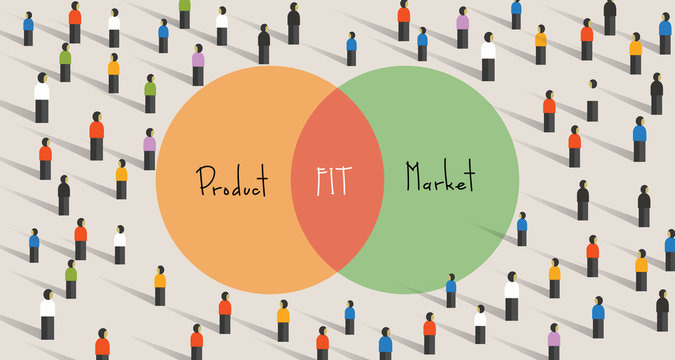
Align these insights to the development process of your product that addresses their problems - problems that are pressing enough for your target market to care. Ensure there is a correlation between what your product offers and what the market wants.
Be extremely clear about what makes your product unique or stand out from your competitors. Whether exclusivity, cost-effectiveness, or innovation, this is the time to define your value proposition precisely. Simply put, it is what value you bring to the market.
And certainly, it will continue to evolve as you learn more about what your customer wants and how the market works. But ultimately, your value proposition will be the persuasive story you use to convince the customers and investors alike.
Product Pricing and Marketing
Pricing your products and services can be challenging. Set your prices too high, and you miss out on valuable sales. Set them too low, and you miss out on valuable revenue.

When it comes to pricing your product, decide how you'll charge for it – subscription-based, freemium, or one-time purchase. You can also consider pricing strategies like cost-plus (setting a price based on what it costs to make), value-based (what people think it's worth), or competitive pricing (based on what competitors charge).
Once you've done the groundwork, it's time to switch gears and "create a buzz." Develop your marketing plan to include both online and offline advertising. Explore options like social media marketing, email marketing, SEO, and others.
Make sure your brand messaging aligns with your value proposition. Win over your target customers using the proper channels and persuasive techniques that turn their interest into adoption.
You want people to not just know about your product but trust it and actively use it.
And how do we achieve that?
Identify your early customers and focus your marketing efforts to suit their needs.
Understand the critical reasons for them to switch to your product or service.
Determine a price that not only grabs their attention but also helps in retaining them.
Having two-way communication with your customers, listening to their feedback, concerns, and suggestions, can help you build that trust.
Through their word-of-mouth, i.e., referrals, you can tap into a larger pool of potential customers.
Trust the numbers
One of the gravest mistakes you can make is to base your strategy on guesswork.
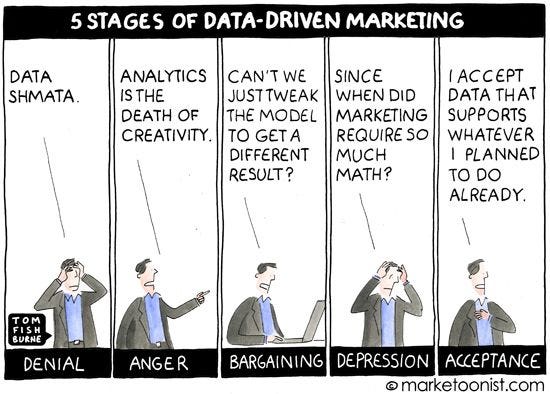
Every decision you take, well, the majority of your decisions, should be data-driven. Some could involve your gut feeling, as it is sometimes important to trust your intuition.
Data + Intuition = Great Decisions.
Relying on concrete information can help back your choices and clarify the next course of action you need to take.
Measure your Success
Key Performance Indicators (KPIs) play a crucial role in a Go-To-Market (GTM) strategy since they provide a quantitative and objective means of assessing its effectiveness.

They offer insights into various business areas: customer acquisition, revenue generation, or retention. They identify areas for improvement and enable you to make data-driven decisions.
For example, monitoring customer acquisition cost (CAC) can help you evaluate the efficiency of your marketing and sales efforts, while conversion rates indicate how effective your strategy is in turning leads into customers.
Overall, KPIs enable you to stay focused on your goals, optimize strategies, and keep you on the right path to growth and success.
But it's important not to overload your KPIs and avoid being distracted by vanity metrics.
Risk Assessment and Mitigation
Your GTM strategy will be ever-evolving, and with every new iteration, you will need to carefully evaluate the potential pitfalls that follow. Are there things you don't know or areas you might be overlooking?

While you identify these risks, creating a plan to minimize or overcome them is also vital. You need to show that you've considered known risks and devise ways to deal with them.
Partnership and Alliances to Scale-up
Once you’ve made your space in the market, consider forming partnerships, alliances, or reseller agreements to extend your product's reach and impact.

Cultivate relationships with businesses offering complementary services or products, as they can benefit from your offer.
Collaborating with such partners can open up new avenues for growth, broaden your customer base, and create a win-win situation for both parties. These strategic partnerships can be a powerful tool in achieving mutual success and expanding your market presence.
Finally, Be Open to Pivoting
The startup journey isn't always smooth sailing. Sometimes, it's crucial to pivot and adjust your strategy according to the feedback you receive from the market and your customers.

Pivoting is not a failure. It signifies a startup's ability to learn, iterate, and persevere in the face of uncertainty.
Being flexible and open to change helps founders accommodate the evolving needs of their customers, market trends, and unpredictable situations. As a founder, it is a necessary trait to have.
Conclusion

In conclusion, a GTM strategy is your roadmap to success, guiding you through the customer needs, market dynamics, and business objectives. But it’s not static. It’s an ever-evolving blob that keeps changing based on your efforts to understand and apply it during your startup journey.